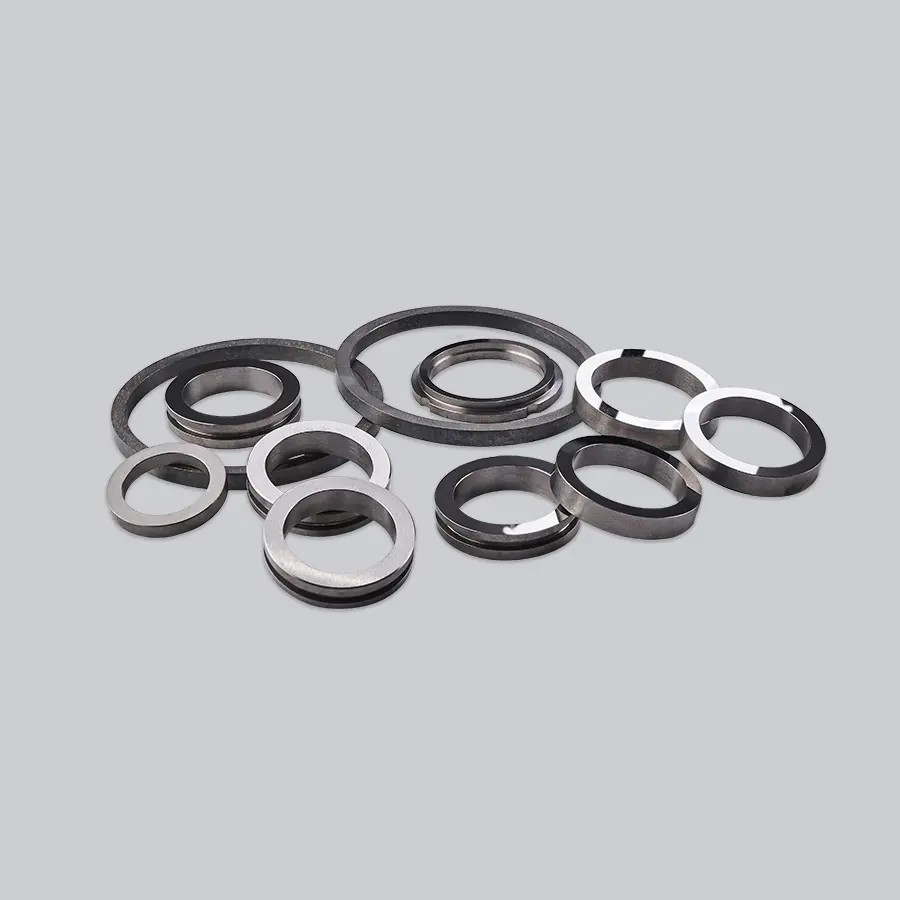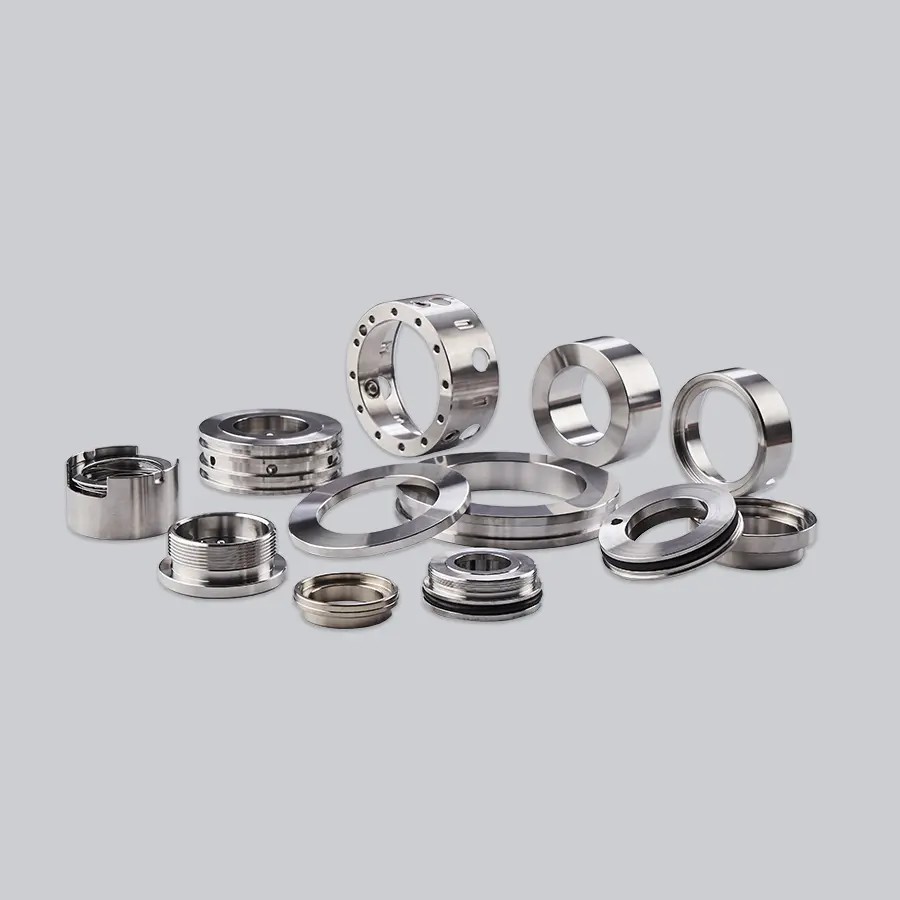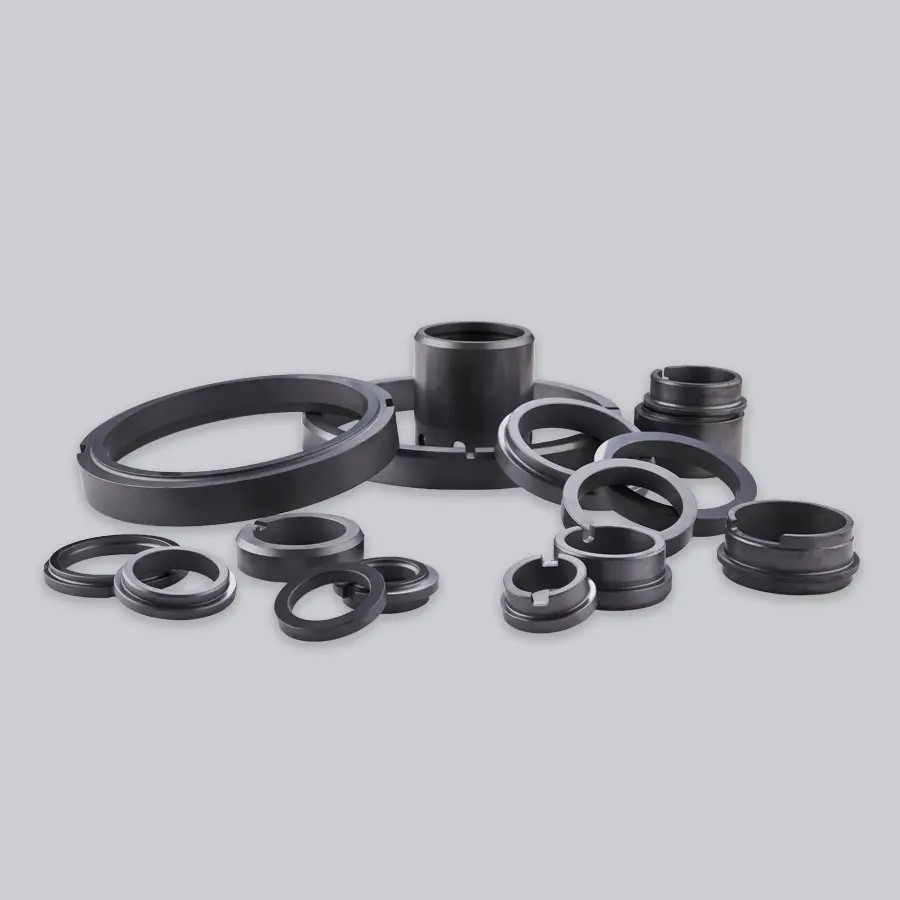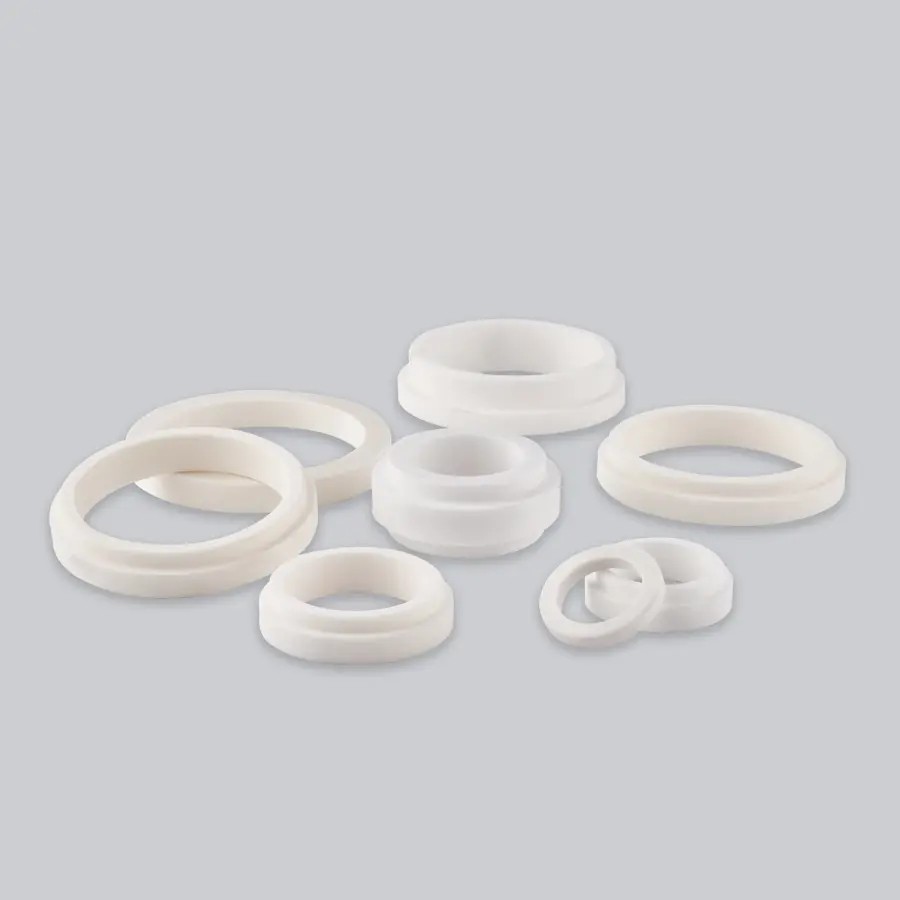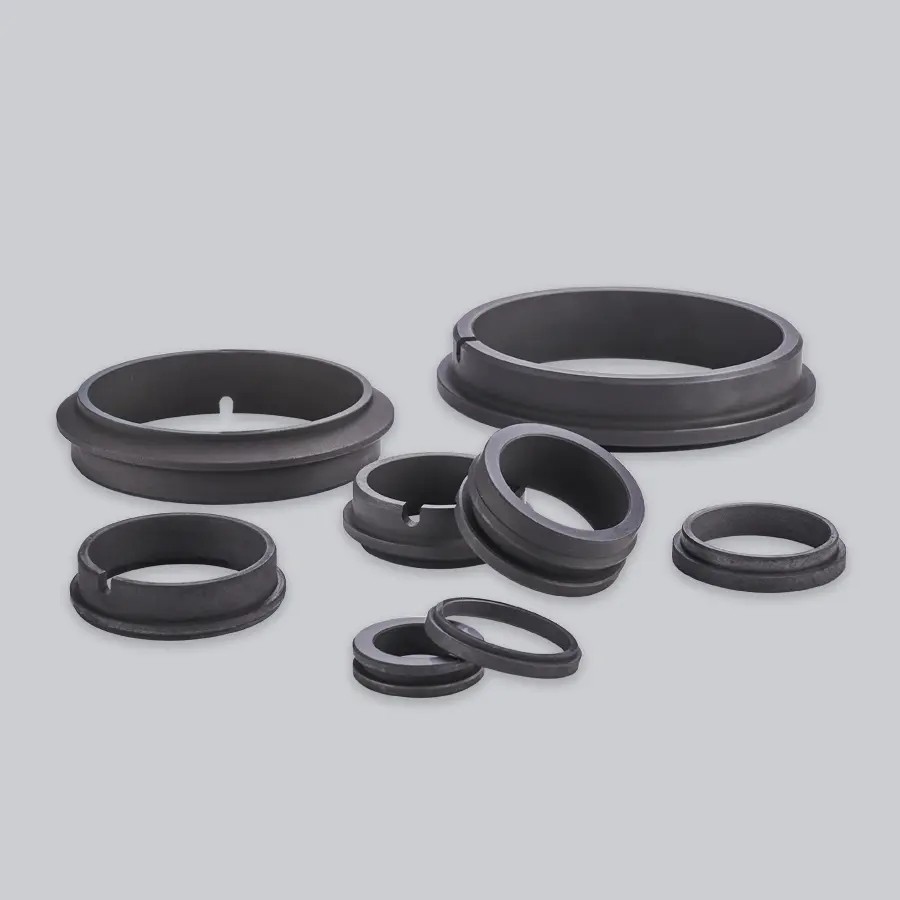
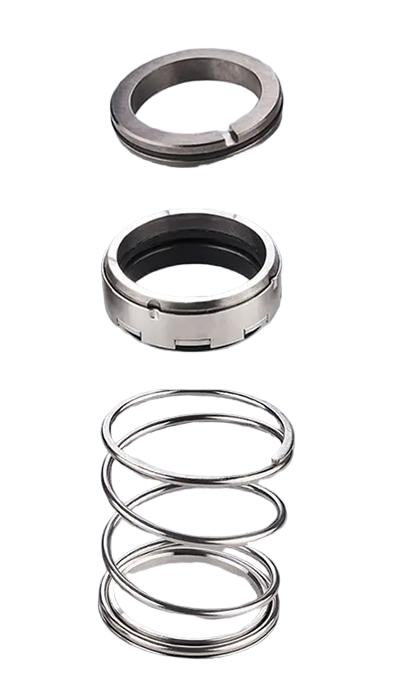
Mechanical seal spare parts are the rings and metal components that decide whether a seal can be rebuilt: carbon, ceramic, silicon carbide and tungsten carbide rings, plus the stainless parts that hold them. Rings wear, chip or crack, while the metal parts usually survive and are reused. Matching a ring to its partner and to the seal it belongs to is the whole job.
This category carries the five items we list as separate references: carbon rings, ceramic rings, SiC and SSiC rings, TC rings and stainless steel mechanical seal parts. Each is a finished, lapped component rather than a rough part, because a ring that is not flat will not seal whatever else is renewed.
A ring pair is a matched set even when the two rings are different materials. Flatness and surface finish carry the seal: a carbon face running against a ceramic seat needs both lapped, and a chip under a millimetre is enough to open a leak path. Hardness alone does not make a good pair, because the softer ring has to bed in against the harder one without wearing it away.
| Ring material | Common partner | Where it is used |
|---|---|---|
| Carbon graphite | Ceramic or SiC | Water, mild chemicals, general service |
| Ceramic | Carbon | Clean water and low load duty |
| SiC and SSiC | Carbon or SiC | Process water, mild abrasives, higher load |
| Tungsten carbide | SiC or TC | Slurries, solids, dry-running risk |
Metal parts fail differently. A sleeve with a wear groove leaks through the secondary seal, a seat holder with a corroded face will not hold the seat square, and a bent gland throws the whole assembly off centre. Check all three before ordering rings, because new rings in a worn housing fail again within days.
Rings are quoted from dimensions, so send the outside diameter, inside diameter and thickness, the material, and the seal model or a photograph of the old ring beside a caliper. Note any chip or crack on the mating face as well, since a damaged partner explains a repeat failure. Victor's checks the dimensions against the seal drawing before quoting and confirms whether the ring is supplied lapped. Where the seal code is unknown, the ring dimensions plus the seat bore usually identify the pattern.
Yes. Rings, seats and stainless parts are listed separately for rebuild work. Send the dimensions and the material, and confirm the mating ring is sound.
Carbon is dull black and marks paper; ceramic is white or grey and non-conductive; SiC is dark grey and very hard; tungsten carbide is heavier than it looks. Our guide to the parts of a mechanical seal covers the identification.
We supply a full range of pump seal parts, from standard designs to custom-made solutions. Simply provide your drawings or samples, and our expert team will create mechanical seal spare parts to meet your unique needs.
Competitive Pricing
Victor provides high-quality pump seals at prices that are consistently 10% lower than industry peers. It allows our customers to achieve better value without compromising on sealing performance.
OEM Compatibility
Our expertise includes developing OEM mechanical seals for globally recognized pump brands, such as IMO, ABS, Grundfos, Alfa Laval, Lowara, Allweiler, KRAL, Fristam, Emu, APV and Flygt.
Global Trust
We are registered in more than 30 countries, reflecting the international trust in our products. This global presence ensures material quality standards are recognized and accepted worldwide.
Skilled Manufacturing
With a dedicated factory space of 3,800 m² and a team of 40 technical experts, we maintain strict control over material selection and processing, ensuring consistency and reliability in every seal we produce.
Acquire all kinds of knowledge from professional China pump mechanical seal manufacturer
For most modern mechanical seal designs, wave springs are the preferred axial loading solution over multiple coil springs, as they deliver a more compact profile, more uniform face loading, higher reliability, and lower total installed cost. Spring selection is a critical performance decision — seal face loading directly impacts leakage
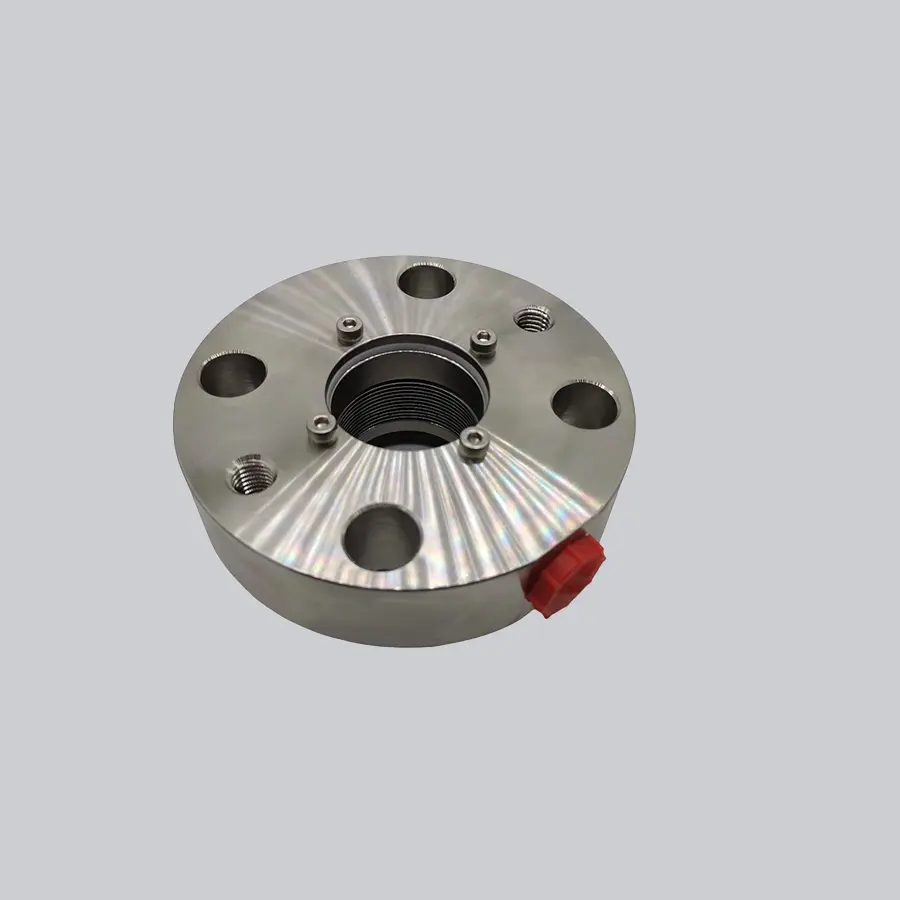
Cartridge mechanical seals are the preferred choice when installation reliability, minimal downtime, and consistent performance in critical applications are top priorities. A cartridge seal is a factory-preassembled, self-contained module: all components — seal faces, springs, sleeve, and gland — are aligned and set at the factory, so the unit arrives
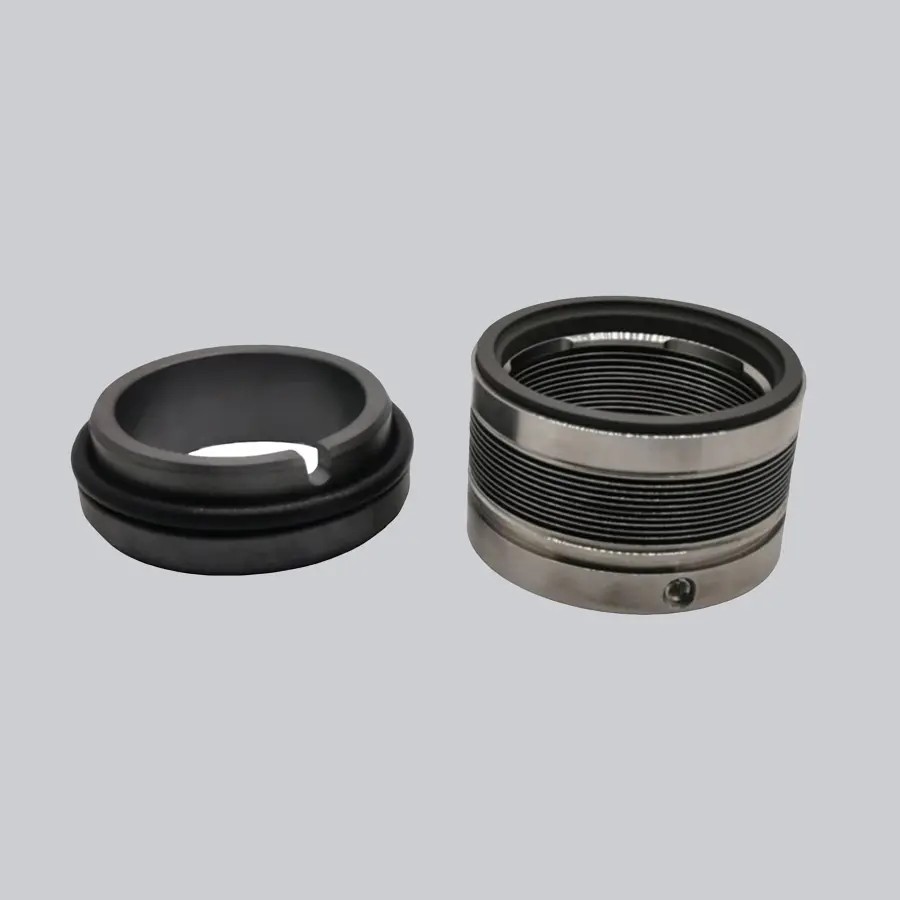
Metal bellow seals are the clear choice for high-performance, extreme-condition service, while standard pusher seals deliver reliable performance at lower cost for moderate, general-purpose applications. This core tradeoff defines nearly every mechanical seal selection decision. Neither design is universally superior. Each serves a distinct duty range, and matching the seal
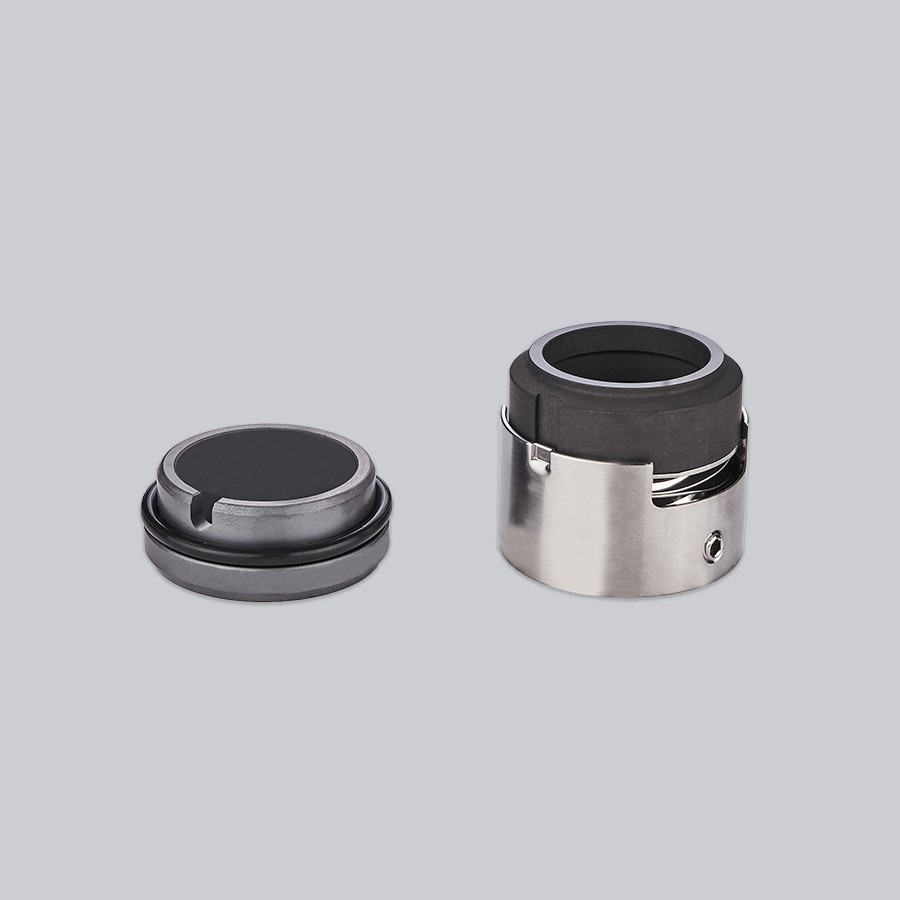
Component mechanical seals remain the optimal choice in three common scenarios: when equipment was originally engineered for component-style seals and a like-for-like replacement is required; when a compact, integrated design with high reliability and simplified assembly is a priority; and when upgrading to a cartridge seal would add unnecessary complexity

1. Rotary Face (Rotating Ring)
The rotary face, also known as the rotating ring, is mounted on the pump shaft and rotates together with it. It forms one side of the main sealing surface. This component is typically made from materials such as carbon, silicon carbide, or tungsten carbide to ensure excellent wear resistance and stable performance under high-speed operation.
2. Stationary Face (Seat)
The stationary face, or seat, is fixed in the pump housing or gland plate and remains immobile during operation. It works in direct contact with the rotary face to form the primary sealing interface. Common materials include ceramic, silicon carbide, and tungsten carbide for high durability and sealing precision.
3. Secondary Seals
Secondary seals include O-rings, gaskets, or bellows that prevent leakage between the metal parts of the seal assembly. They provide flexible, reliable sealing where metal-to-metal contact cannot. Depending on the operating environment, materials such as Viton, EPDM, NBR, or PTFE are selected for optimal chemical and temperature resistance.
4. Spring or Spring Set
The spring or spring set applies the necessary pressure to keep the sealing faces in close contact, ensuring a consistent seal even as parts wear over time. Depending on the design, it may consist of a single spring, multiple small springs, or a wave spring to suit various applications.
5. Retainer / Collar
The retainer, also known as the collar, connects the rotary face to the shaft and holds the rotating parts firmly together. It ensures that the motion of the shaft is accurately transferred to the rotary face for consistent performance.
6. Gland Plate
The gland plate secures the stationary components in place and fastens the seal assembly to the pump housing. It may also feature ports for flushing, cooling, or barrier fluid, depending on the seal system configuration.
7. Drive Mechanism
The drive mechanism transmits torque from the shaft to the rotary face, ensuring both rotate synchronously. Common drive types include drive pins, set screws, or keyways, designed to prevent slippage and maintain sealing efficiency.
For inquiries about our products or pricelist, please leave your email to us and we will be in touch within 24 hours.
About Victor
Contact Victor