APV hygiene pumps in the World Series Plus range move beverage, dairy and food product, and their seals are compact single-end units with a clamped seat and a short spring stack. Several pump sizes share a housing envelope, so a seal that looks right can still have the wrong face pair or the wrong seat depth. Three patterns cover most of the work here: the single seal for the Vulcan 16 Plus housing, the heavier 26 series, and a double seal built on the 16 pattern.
Victor supplies these as APV-1, APV-2 and APV-3, all replacements matched to APV World Series Plus housings rather than modified stock seals.
Seal types used on APV pumps
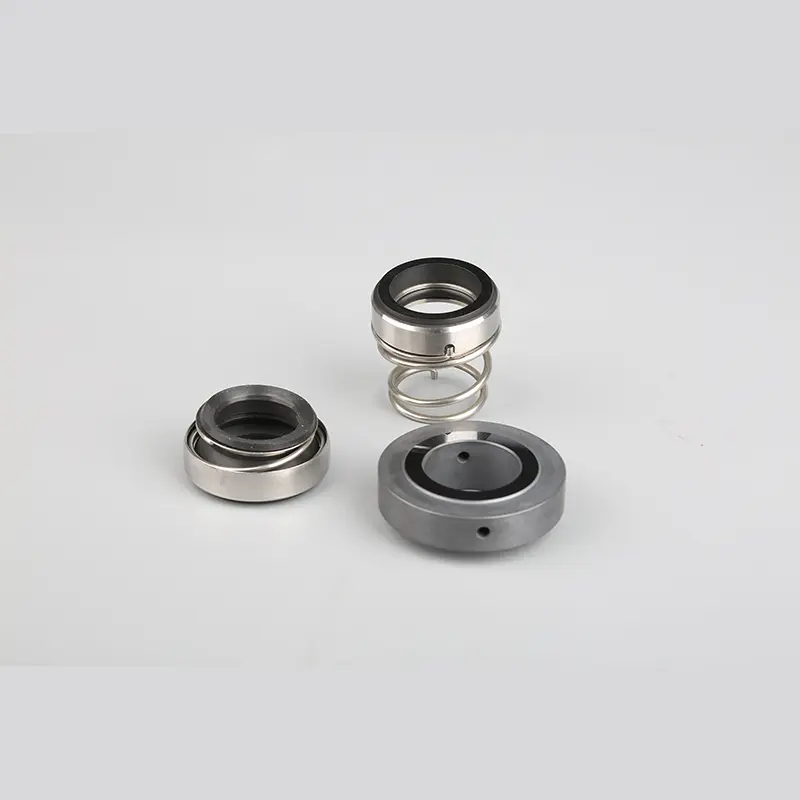
APV-1 is a single-end unbalanced seal with a compact body for World Series Plus beverage pumps. It is rated to 0.8 MPa, −20 °C to +120 °C and 20 m/s, and runs carbon or SiC against SiC with NBR, EPDM or Viton rings.
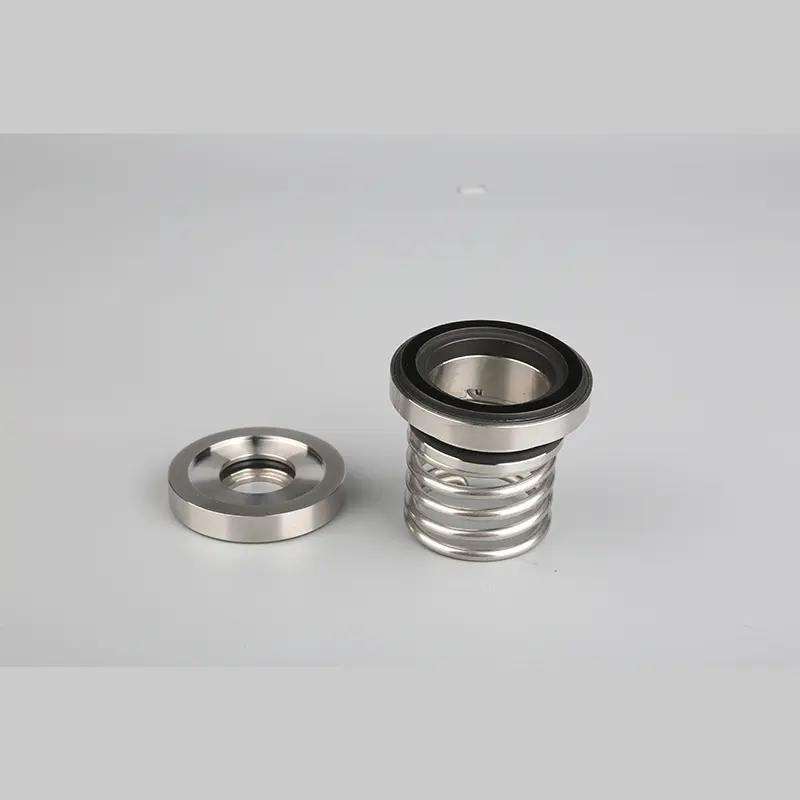
APV-2 is the multi-spring pattern for the 26 series and AES P06 housings, rated to 2.5 MPa and 180 °C at 15 m/s, with ceramic, SiC or TC seats. APV-3 is the double version of the 16 pattern, with two face pairs and a barrier chamber between them.
How to identify the right replacement
Start from the pump series and the seal housing. A 16 Plus housing and a 26 series housing take different seat diameters even when the shaft measures the same, and the clamped seat means bore depth matters as much as bore diameter. Choosing a seal for the duty narrows the face pair before the measuring starts.
- Pump series: World Series Plus with the 16 or the 26 housing.
- Shaft and seat bore: measure both; the seat is clamped, so depth decides whether it seals.
- Single or double: a double housing has a barrier port, a single one does not.
- Face pair: carbon on SiC for beverage, SiC on SiC for abrasive or cleaning-heavy duty.
- Elastomer: EPDM standard for product contact, FKM where fats and oils are present.
- Spring type: single spring on the 16 pattern, multi spring on the 26.
Materials and duty limits
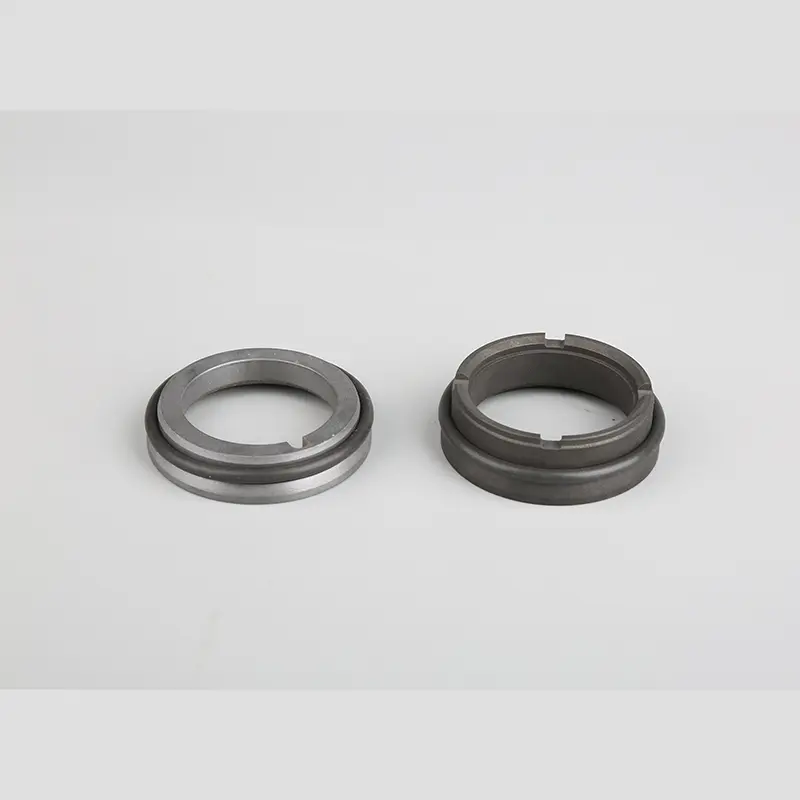
APV-1 runs carbon or SiC on SiC with NBR, EPDM or Viton and 304 or 316 springs, inside 0.8 MPa, −20 °C to +120 °C and 20 m/s. APV-2 widens that to 2.5 MPa and 180 °C at 15 m/s, with ceramic, SiC or TC seats and PTFE available as a secondary seal.
APV-3 uses SiC on SiC with EPDM or Viton in a double arrangement, which is the choice where product must not reach the atmosphere. The difference between single and double seals comes down to that barrier chamber, not to the face material.
What we supply for APV pumps
Cross-reference notes
Cross-reference data on this page comes from our own listings. APV-1 and APV-3 are both built on the Vulcan type 16 housing, the first as a single seal and the second as a double, so the two are not interchangeable even though both carry a 16 reference. APV-2 is listed against the Vulcan 26 series and AES P06 series, which share a deeper seat bore than the 16 pattern.
FAQ
Can APV-1 be used in place of APV-3?
No. APV-3 has two face pairs and a barrier chamber for aseptic duty; APV-1 is a single seal. Fitting the single seal into a double housing leaves the barrier port open.
What usually fails first on an APV beverage pump seal?
The carbon face, from running dry at start-up or from caustic cleaning without a rinse. SiC on SiC lasts longer where the pump runs intermittently.