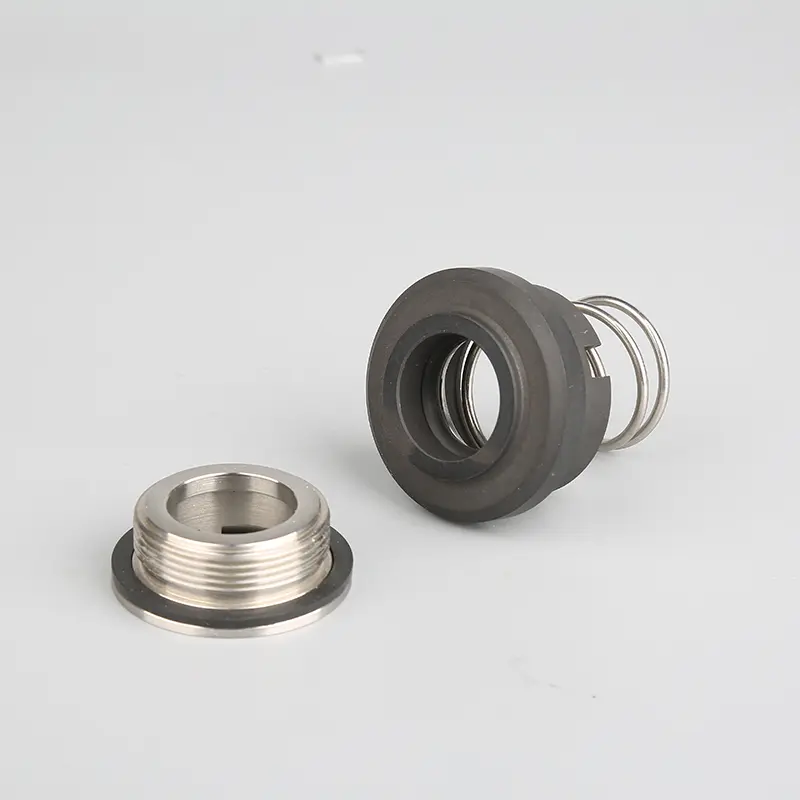
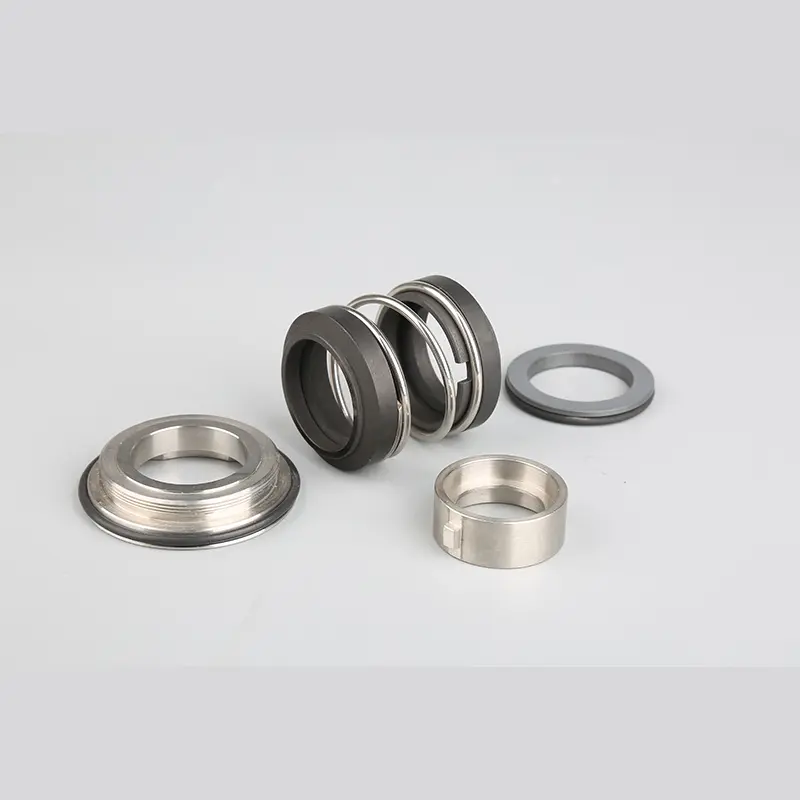
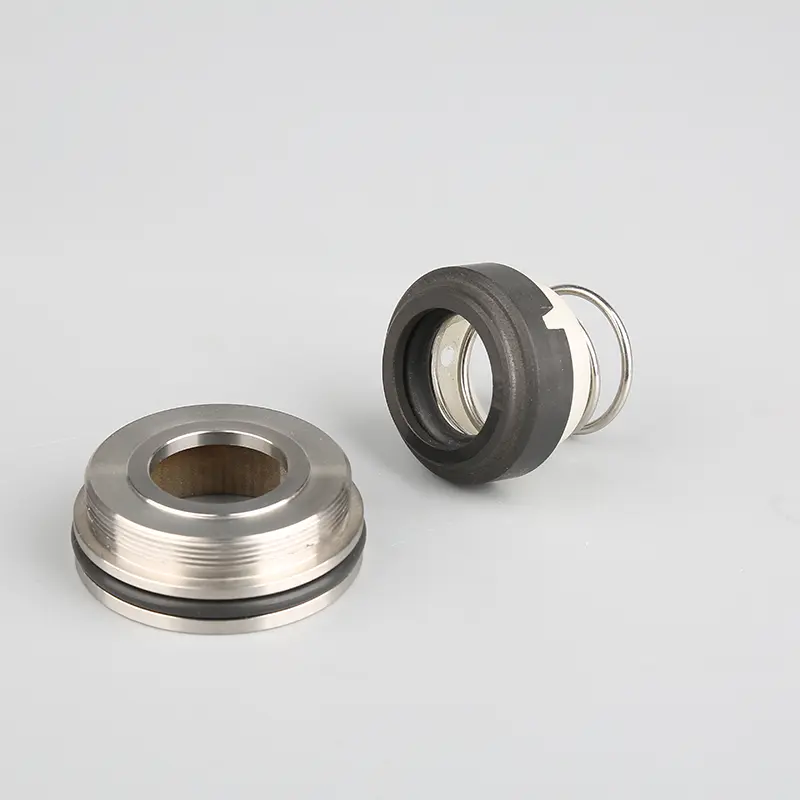
Alfa Laval LKH pumps are hygienic centrifugal pumps, and their seals work around a short, stiff shaft with a product-side seat that has to survive cleaning cycles as well as product. The LKH range runs from LKH 5 to LKH 90, with 22 mm shafts on the small MR166 builds and 32 mm or 42 mm on the larger LKH sizes. The choice between a single and a double seal is driven by the product, not by the pump size.
Victor covers the LKH and LKHex series, the MR166A/B/E and ME155AE pumps and the GM1, GM1A, GM2 and GM2A builds with single and double cartridge seals, including replacements for the Vulcan 91, 92, 92B, 92D and 93 patterns.
Seal types used on Alfa Laval pumps
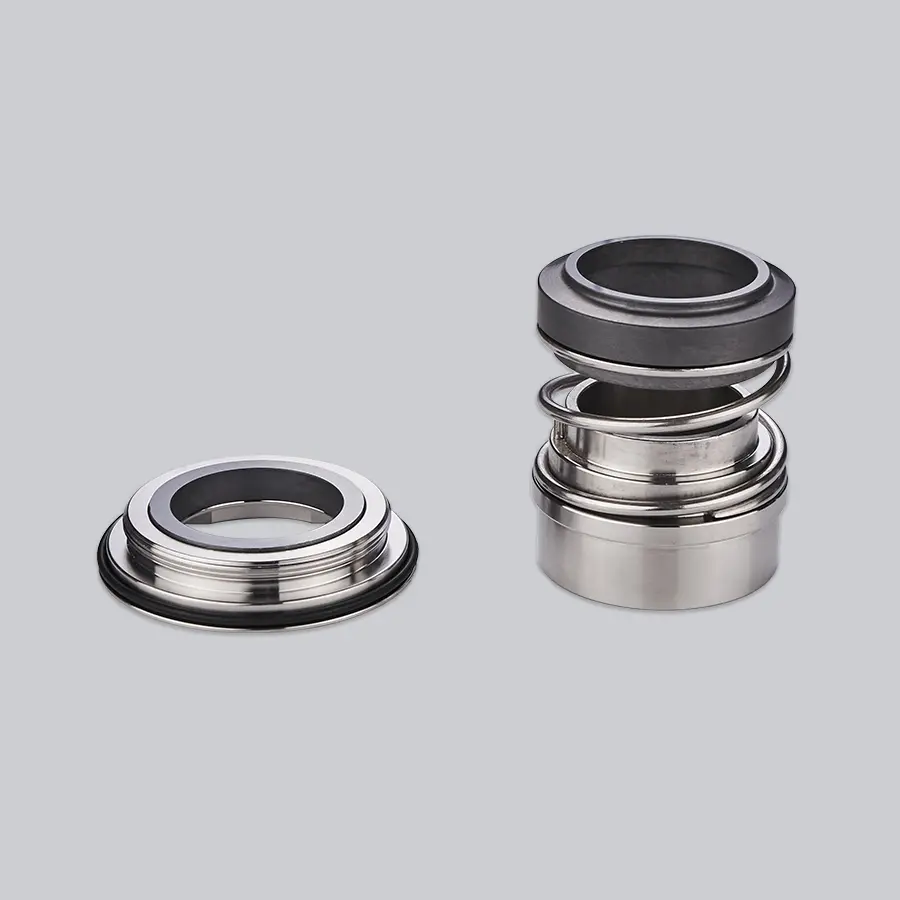
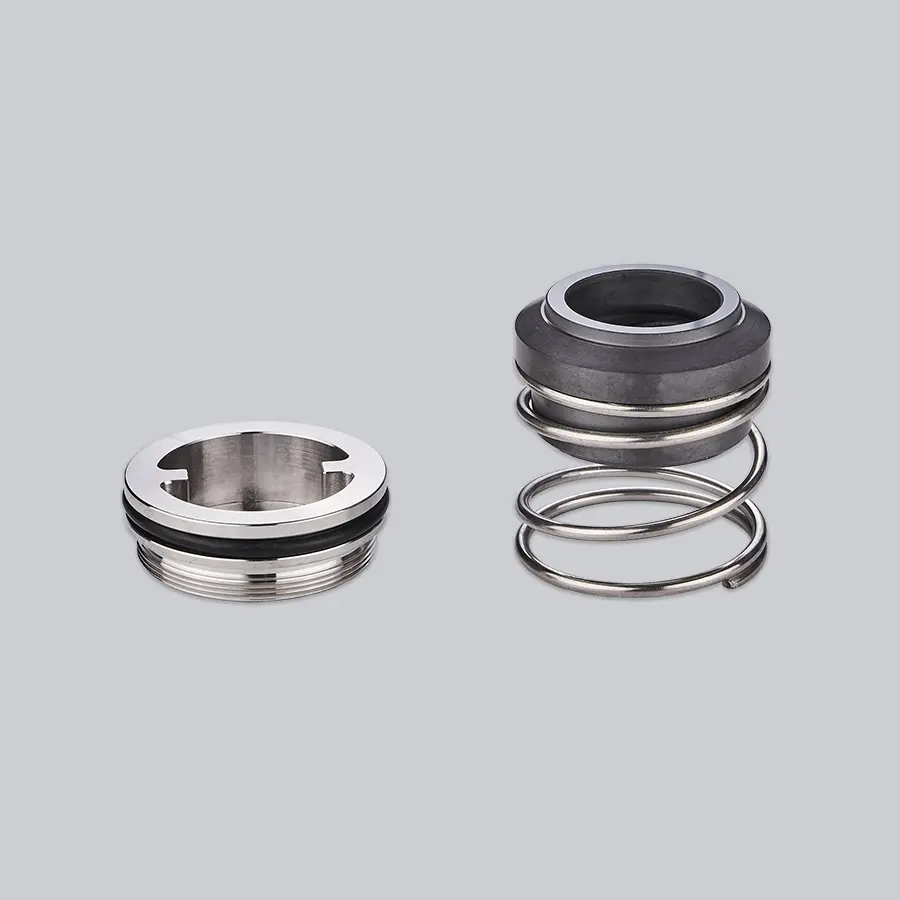
LKH 5 to LKH 90 pumps take a single mechanical seal on 22, 27, 32 or 42 mm shafts, with EPDM as the standard elastomer and SiC against carbon or SiC against SiC as the face pair. The 92 pattern covers the 22 and 27 mm builds, while 92B and 92D cover the 32 and 42 mm ones.
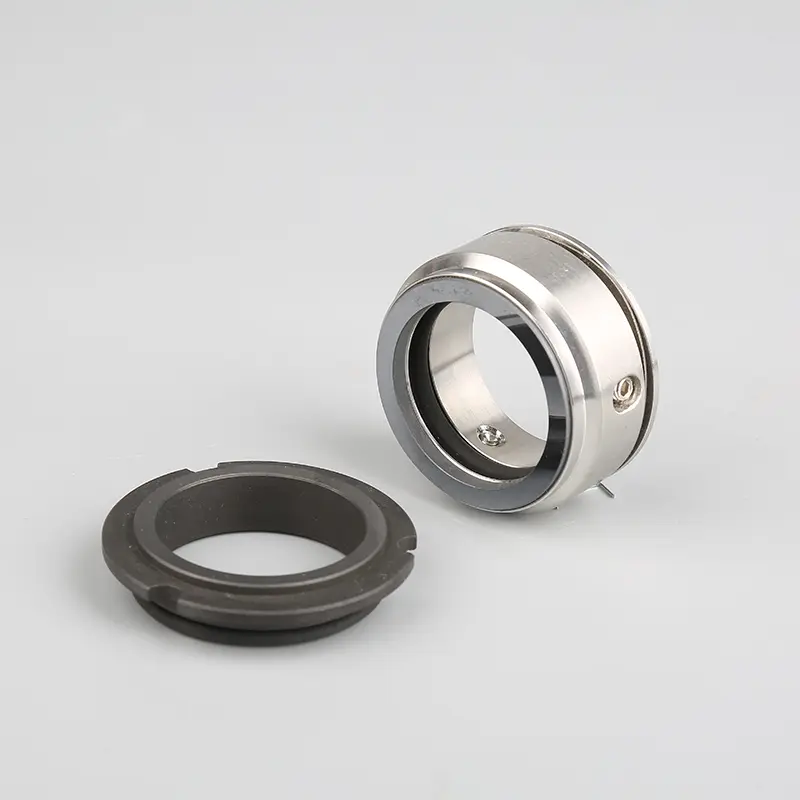
Double seals such as the 92D add a second face pair and a barrier chamber, which is what aseptic and viscous product duties need. The 93 pattern is the clamped-seat version used on the MR166 and ME155 builds, rated to 0.8 MPa and 12 m/s.
How to identify the right replacement
Pump model and shaft size come first, then the seal pattern. Two LKH pumps on the same shaft can take a single or a double seal, and the housing depth differs between them. When a double seal is required is worth settling before the pump is opened: the barrier port tells you which housing you have.
- Pump model: LKH, LKHex, MR166A/B/E, ME155AE, GM1 or GM2A.
- Shaft diameter: 22 mm on the small LKH and MR166 builds, 27 mm next, then 32 and 42 mm.
- Seal pattern: Vulcan 91, 92, 92B, 92D or 93, or AES P07 or W03 in the same housing.
- Single or double: a double seal has a barrier port on the seal housing; a single one does not.
Materials and duty limits
Product contact calls for EPDM and stainless 304 or 316, with SiC against carbon as the standard pair. The 93 pattern runs carbon, ceramic or SiC stationary rings against carbon, SiC or furan-impregnated carbon rotary rings, rated from −10 °C to +150 °C at 0.8 MPa and 12 m/s.
The John Crane 87 EI/EC and AES W03 pattern runs from −40 °C to +200 °C at 0.8 MPa and 18 m/s, with SiC, TC or carbon faces and NBR, EPDM or Viton secondary seals. That wider envelope is the one to pick for hot product and aggressive cleaning regimes.
What we supply for Alfa Laval pumps
Cross-reference notes
The equivalences here are the ones in our own listings: Alfa Laval-1 for Vulcan 92B, Alfa Laval-2 for Vulcan 92, Alfa Laval-3 for Vulcan 91 with AES P07, Alfa Laval-4 for Vulcan 92D, Alfa Laval-5 for Vulcan 93 and Alfa Laval-6 for John Crane 87 EI/EC with AES W03. Where a pump takes the 91 pattern on a 22 mm shaft, the AES P07 reference is the one to quote, since that housing is shallower than the 92 series.
FAQ
Can a single seal be converted to a double seal on an LKH pump?
Only with the double-seal housing. The 92D and other double patterns need a barrier port and a second seat bore, which a single-seal housing does not have.
Why does an LKH seal fail after cleaning?
Usually thermal shock rather than wear. A cold seal hit with hot cleaning fluid can craze a carbon face; EPDM and SiC/SiC handle the cycle better than NBR and carbon.