
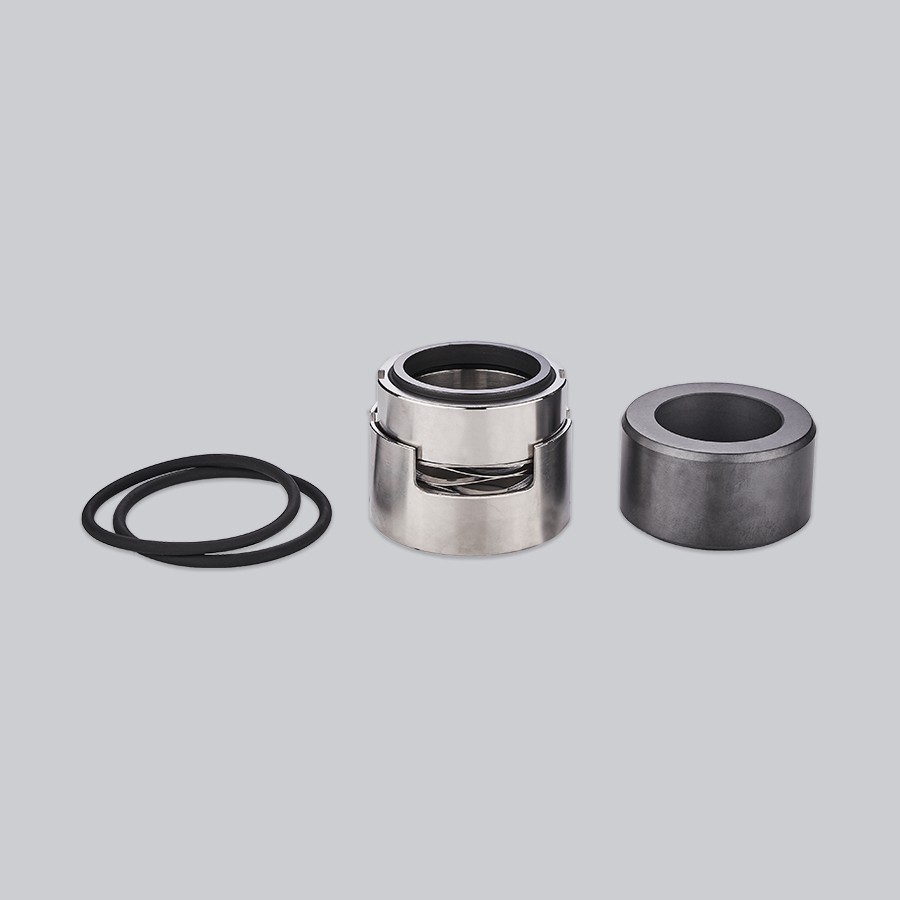
For most modern mechanical seal designs, wave springs are the preferred axial loading solution over multiple coil springs, as they deliver a more compact profile, more uniform face loading, higher reliability, and lower total installed cost. Spring selection is a critical performance decision — seal face loading directly impacts leakage rates, wear life, and maintenance intervals — it is never just a component preference.
Multiple-spring designs remain valid for specific legacy and long-travel applications. This guide breaks down the core advantages of wave spring seals, side-by-side performance tradeoffs, and how to select the right design for your seal chamber and operating duty.
Key Takeaways
- Wave springs reduce axial space requirements by up to 50% compared to multi-coil spring packs, making them ideal for compact pump designs.
- A continuous wave spring delivers 360° uniform face loading, eliminating hot spots and reducing face distortion for longer seal life.
- Single-piece construction simplifies assembly, reduces failure points, and lowers total installed cost compared to a ring of small coils.
- Multiple springs remain the better choice for legacy seal chambers and applications requiring very long axial travel.
- Always match spring type to your seal chamber dimensions, axial travel requirements, and operating conditions.
Significant Space Savings with a Wave Spring Mechanical Seal
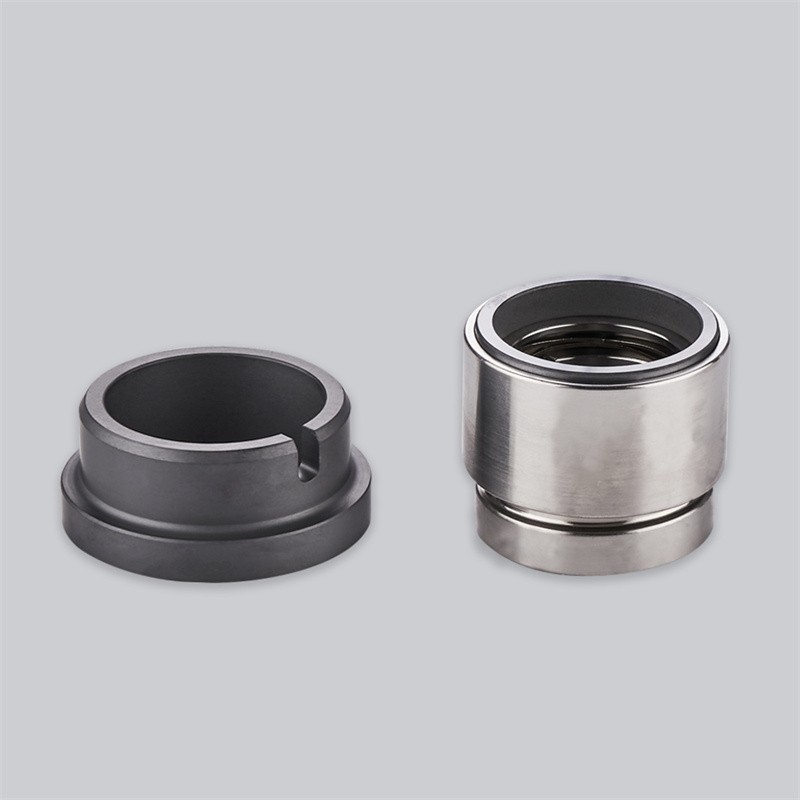
The most immediately noticeable advantage of a wave spring is its extremely compact axial profile.
Reduced Axial & Radial Footprint
A wave spring delivers equivalent axial force in a stack height up to 50% shorter than a conventional multi-coil spring set. This is transformative for short seal chambers and compact pump designs, where every millimeter of shaft length is constrained. Designers can either shrink the overall housing size or free up space for additional features like cooling passages.
The flat wavy profile also saves radial space. Round wire coil springs require a larger diameter to produce the same force, while wave springs sit closer to the shaft and fit within a tighter envelope. The lower rotating mass also improves shaft balance at higher operating speeds.
Simplified Seal Chamber Design
Wave spring seals require no drilled spring holes around the seal periphery. This creates a cleaner, simpler chamber geometry with fewer machined features, fewer potential leak paths, and lower machining time. Assembly is also faster: technicians handle one single spring instead of a full ring of small individual coils.
These space-saving traits make wave spring mechanical seals a standard choice for compact equipment like marine pumps and industrial centrifugal pumps, where chamber dimensions leave very little design margin.
Uniform Face Loading in Wave Spring Mechanical Seals
Consistent, even face pressure is the most important factor in long seal life and low leakage.
360° Circumferential Load Distribution
A wave spring applies continuous force across the full circumference of the primary seal face, so every point on the sealing interface sees roughly equal contact pressure. This eliminates the localized hot spots and face distortion that occur with multi-spring designs, where discrete coil points create uneven pressure patterns. Distorted faces are the top cause of accelerated wear and leak path formation.
This even loading also stays consistent as the seal faces wear down. With a coil spring pack, small height differences between individual springs create uneven loading that worsens as parts wear. A wave spring maintains uniform pressure across the full 360° face throughout its service life.
Flat Force-Deflection Curve
Wave springs have a wide, flat force-deflection curve across their working range. This means spring force stays nearly constant through small changes in working height — from normal wear, thermal expansion, or pressure fluctuations.
By contrast, coil spring packs have a steeper force curve, so loading changes more sharply with compression. Stable face loading protects seals from overload or light-contact leakage during temperature swings, making performance much more predictable and easier to specify.
Higher Reliability and Simplified Maintenance of Wave Spring Mechanical Seals
Fewer parts directly translate to fewer failure points and simpler upkeep.
Reduced Assembly Error
One single wave spring replaces an entire ring of small coils. This eliminates common assembly errors like dropped springs, tangled coils, or uneven seating. For high-volume pump fleets, this removes a major source of seal installation failure.
Easier Maintenance & Inventory
Maintenance teams only have one component to inspect during service, rather than checking every individual coil for wear or fatigue. Spare parts inventory is also simplified: facilities stock one spring part number instead of a matched coil set.
This simplicity is a major benefit for sites with large mixed pump fleets, where standardizing on wave spring seals reduces inventory complexity and training requirements.
Lower Total Installed Cost with Wave Spring Mechanical Seals
A single wave spring usually has a higher unit price than one small coil spring, but the full cost comparison must look at total installed cost, not just component price.
Wave spring designs deliver savings across the full product lifecycle:
- Less machining: No drilled spring holes in the seal housing reduce machining time and cost.
- Faster assembly: Single-part installation cuts labor time per seal.
- Lower inventory cost: One part number replaces a full coil set.
- Longer service life: Uniform loading reduces face wear and extends mean time between repairs.
For low-volume legacy seals already tooled for coil springs, the existing hardware may remain more economical. For new designs and high-volume fleets, wave springs almost always deliver a lower total cost of ownership.
Wave Springs vs. Multiple Springs: Side-by-Side Comparison
| Factor | Wave Spring | Multiple Coil Springs |
|---|---|---|
| Axial space requirement | Very low (up to 50% shorter) | Higher, full coil stack height |
| Face load distribution | 360° continuous, uniform | Discrete point loading, prone to imbalance |
| Force consistency | Flat curve, stable across wear/temp | Steeper curve, force changes with compression |
| Assembly complexity | Very low, single part | Higher, many small parts to align |
| Maximum axial travel | Moderate, within working deflection range | Longer, possible with extended coil sets |
| Total installed cost | Lower for new designs | Lower for legacy tooled designs |
| Best for | Compact pumps, high-volume fleets, uniform duty | Legacy chambers, very long travel applications |
Ideal Applications for Wave Spring Mechanical Seals
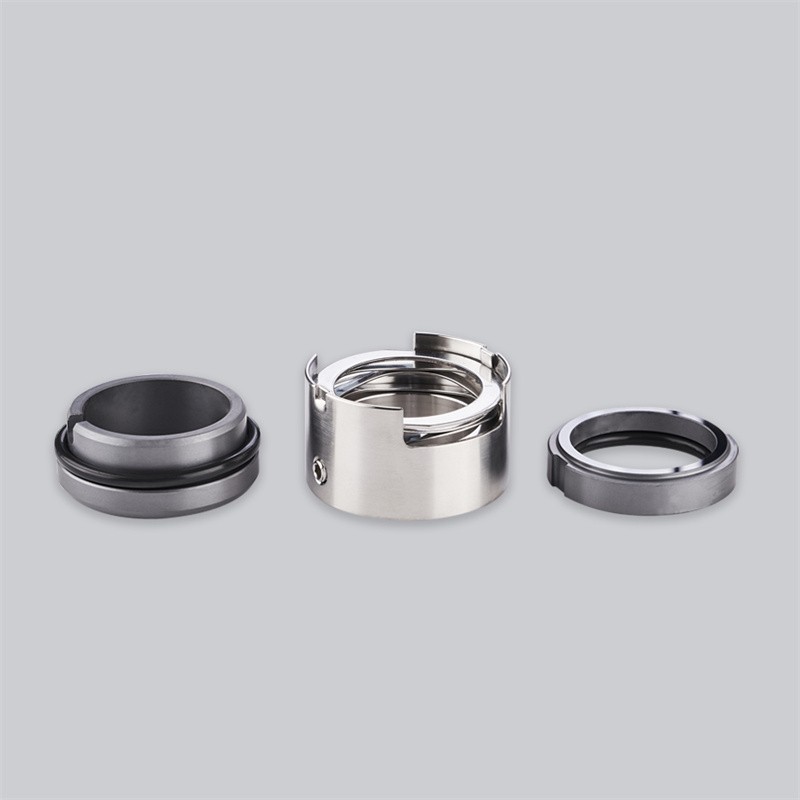
Wave spring seals deliver the most value in these use cases:
- Marine pumps: Tight shaft space and high-speed balance requirements reward the compact, low-mass design.
- Industrial centrifugal pumps: Long continuous run times benefit from uniform face loading and extended wear life.
- Chemical processing equipment: Strict leakage control requirements are supported by stable, predictable face pressure.
- Food and beverage pumps: Hygienic, clean assembly with fewer crevices and easy maintenance.
For facilities looking to reduce seal costs without sacrificing performance, Veekter Wave Spring Mechanical Seals are a proven alternative to premium global brands including EagleBurgmann, John Crane, Vulcan, AES and Flowserve. Backed by 27 years of manufacturing experience and precision testing to international standards, these seals are dimensionally interchangeable for most applications, requiring no seal chamber redesign. Veekter also supplies a full range of cartridge seals, elastomer bellow seals, and spare seal components for complete single-source sealing solutions.
FAQ
How much axial space does a wave spring seal save?
A wave spring design can reduce required axial space by up to 50% compared to an equivalent multi-coil spring seal. The flat profile also saves radial space and eliminates the need for drilled spring holes in the housing.
Why does even load distribution matter for seal life?
Uniform 360° loading prevents localized hot spots and face distortion that cause accelerated wear and leakage. Consistent face pressure keeps sealing surfaces flat and leak paths closed, significantly extending service life.
Are wave spring mechanical seals more expensive than multi-spring designs?
A single wave spring has a higher unit price than one small coil, but total installed cost is almost always lower for wave springs. Savings come from reduced machining, faster assembly, simpler inventory and longer service life. Only low-volume legacy seals tooled for coils typically remain cheaper with multi-spring designs.
Can a wave spring seal directly replace a global-brand seal?
Veekter wave spring seals are dimensionally interchangeable with most major global brand equivalents, and are precision manufactured to international performance standards. Most installations require no seal chamber redesign, but always confirm dimensions before swapping.
Which pumps work best with wave spring seals?
Marine pumps, industrial centrifugal pumps, chemical processing equipment and food/beverage pumps see the greatest benefit. They are preferred for tight shaft spaces, long run times and strict leakage control requirements.