
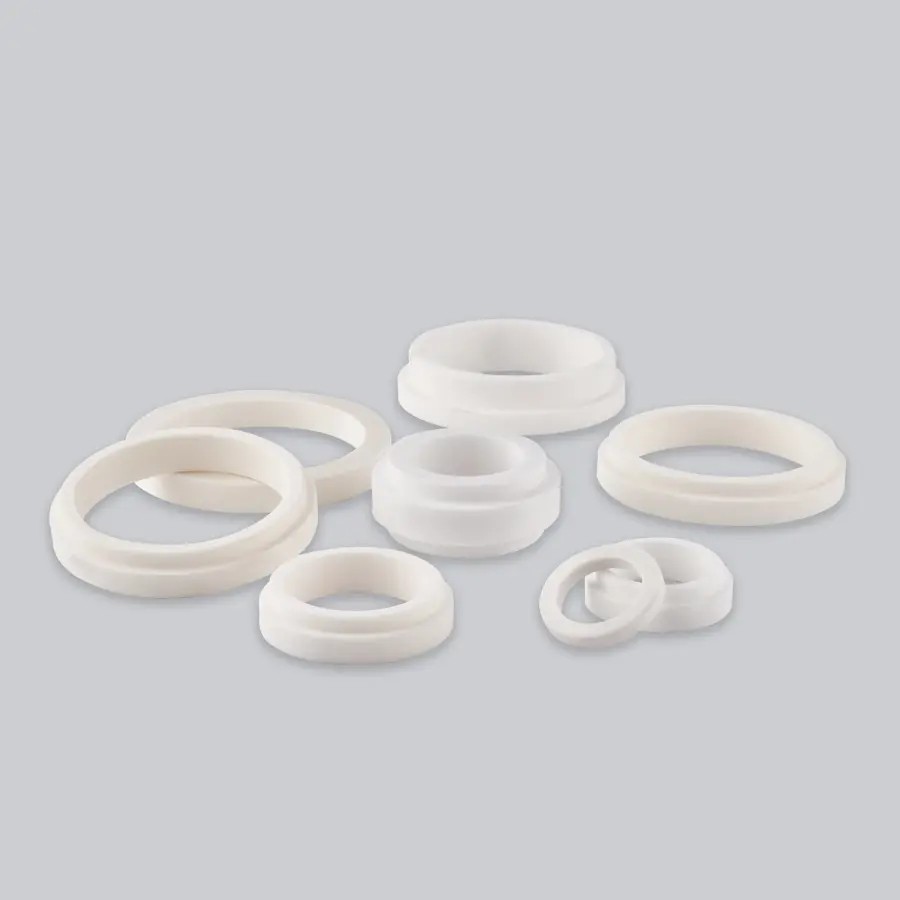
Ceramic ring
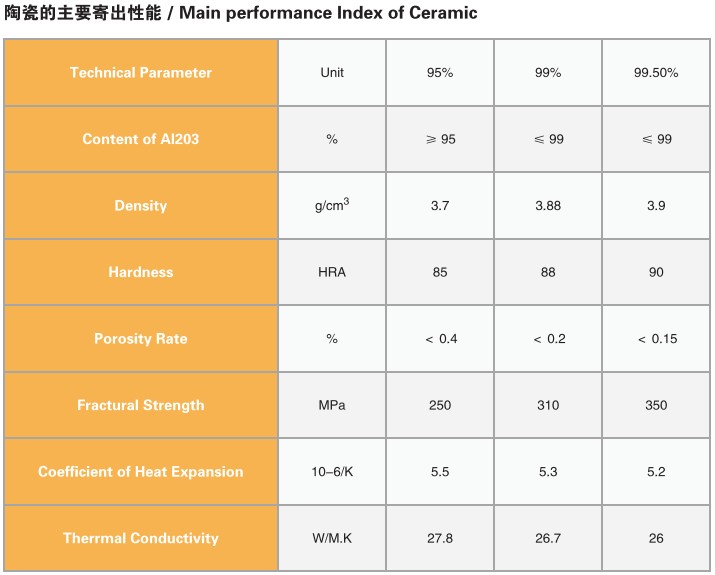
Ceramic Performance Index
Description
Ceramic ring is a replacement mechanical seal built to a standard mounting envelope. Most units go into building services and HVAC plant. Bore and shaft tolerances follow the original part, so no adaptor is needed.
The working element is a spring-loaded pusher assembly. The face pair is ceramic running on silicon carbide; secondary seals are NBR. It is a balanced design, so face loading stays controlled as pressure rises.
Exact limits follow the face material and elastomer choice; confirm the duty point against the datasheet for the specific build. Keep the faces clean during fitting; a single grit particle will open a leak path.
Before fitting, record shaft diameter, seal chamber bore and depth; the axial working height is set from those three measurements, not from the old seal alone. Wear normally appears first at the faces, then at the secondary seals; a leaking unit usually shows both by the time it is pulled.
EPDM covers water and dilute chemical service but not mineral oils; FKM handles oils, fuels and many solvents; FFKM is reserved for aggressive media where the softer elastomers swell. Fitting a complete replacement keeps the face load and working height as they left the factory, rather than rebuilding the stack on site. Keeping one unit on the shelf cuts the downtime that follows a leak, since the pump does not have to wait for a part to arrive.
Pricing and availability follow the pump model and shaft size given on the enquiry. The unit belongs to the mechanical seal spare parts manufacturer line. Two close alternatives are Carbon Ring and SIC and SSIC ring. Include the quantity and the required elastomer option with the enquiry. A seal that has run dry shows heat colouring on the faces before it shows a leak.