A pump rotor set is the matched rotating group of a three-screw pump: the central power rotor and the two idler screws that mesh with it. In most designs the set also carries the idler pins or shaft components that keep the screws in mesh. Rotor and idlers are lapped together, and they are replaced together. Fitting one new screw against two worn ones destroys the clearances that make a three-screw pump quiet and efficient.

This category carries rotor sets for IMO ACE, ACG, ACD and ACP pumps and for Allweiler SPF10 and SPF20 pumps. References follow the pump's own identification: series, size, material code and maker's part number, as in an IMO G012 set for an ACG 52 K7 or an Allweiler SPF10-38 set.

What a pump rotor set covers

The set is a hydraulic assembly, not a spare screw. Screw lead, profile and running clearance are matched, and the clearance itself depends on the fit between the flanks, the housing bore and the idler pins. A G012 set built for one pump size does not transfer to another. The suffix after the size in a reference, N3, L3, N6, L6, K7 or N7, is part of the identity and is not a cosmetic code.

Fluid decides how long the set lasts. Fuel oil, lube oil and hydraulic fluid all lubricate the screw flanks; water-based and low-lubricity fluids do not. A set that has run dry, or on a fluid with poor lubricity, usually shows scoring along the idler flanks and heat discoloration on the power rotor before any other symptom appears. Vibration and falling discharge pressure follow later.

How to specify

  • Pump series and size. ACE 25, 32 or 38; ACG 45, 52 or 60; ACD and ACP 025; Allweiler SPF10 or SPF20.
  • Full set part number, including the suffix. A G012 N7 is not a G012 K7, and the difference is not visible on the screws.
  • Material and clearance code as stamped on the pump plate or the old rotor.
  • Housing condition. A new set in a worn bore or on worn idler pins will lose clearance within weeks.
  • Fluid and duty. Viscosity, temperature, lubricity and whether the pump has ever run dry.

Typical applications

  • Marine fuel oil booster and transfer service
  • Lube oil circulation on turbine and genset skids
  • Hydraulic power units on deck machinery
  • Burner and boiler fuel feed
  • Cargo oil stripping and tank transfer

What we supply in this range

Ordering and cross-reference

A rotor set order needs the pump model, the set number, the size and the suffix, and ideally the old rotor for comparison. Photographs of the screw flanks, the idler pin bores and the housing bore tell us whether a set alone will restore the pump or whether bearings and pins are also due. Victor's checks the reference against the pump plate before quoting, because a single digit in a three-screw reference changes the lead and the fit. If the plate is unreadable, measure the rotor outside diameter, the screw length and the idler pin bore.

FAQ

Can I replace only the power rotor?

No. The idlers wear against the rotor and are lapped as a set. A single screw against worn partners will not hold clearance or pressure.

What usually kills a rotor set?

Dry running, poor lubricity and contaminated fluid. All three remove the film that keeps the flanks apart, and scoring follows quickly. Our note on IMO rotor sets in IMO pumps covers the failure pattern in more detail.

pump rotor set

A pump rotor set is one of the most important parts in a positive displacement pump. It includes the rotating components that move fluid efficiently and smoothly inside the pump. A complete rotor set usually contains one or more rotors, shafts, and other matching parts that work together to ensure stable performance and long service life.

Victor is a professional pump rotor set manufacturer based in China. With years of experience in precision machining and material engineering, Victor produces high-quality replacement pump rotor sets compatible with well-known brands such as IMO and Allweiler. Our products are designed to meet or exceed the original specifications, providing reliable performance, durability, and cost-effective solutions for industrial and marine applications.

different types of pump rotor set

IMO pump rotor set

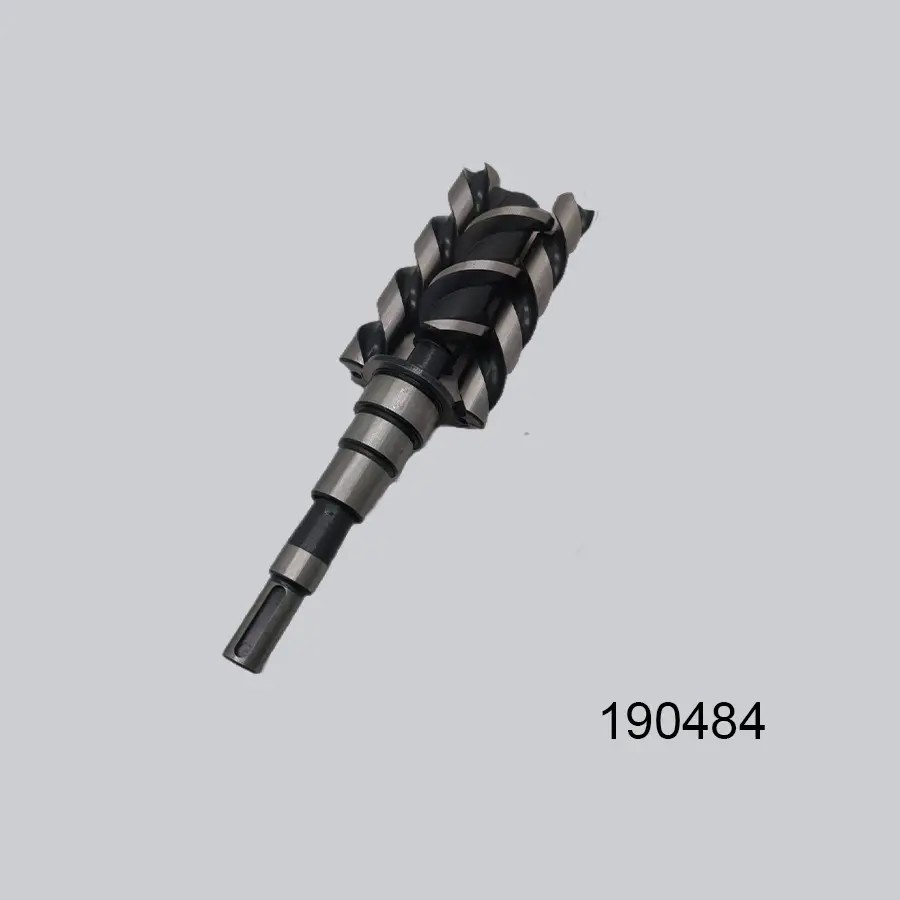
IMO PUMP ROTOR SET G012 ACE 32 N3 P190484

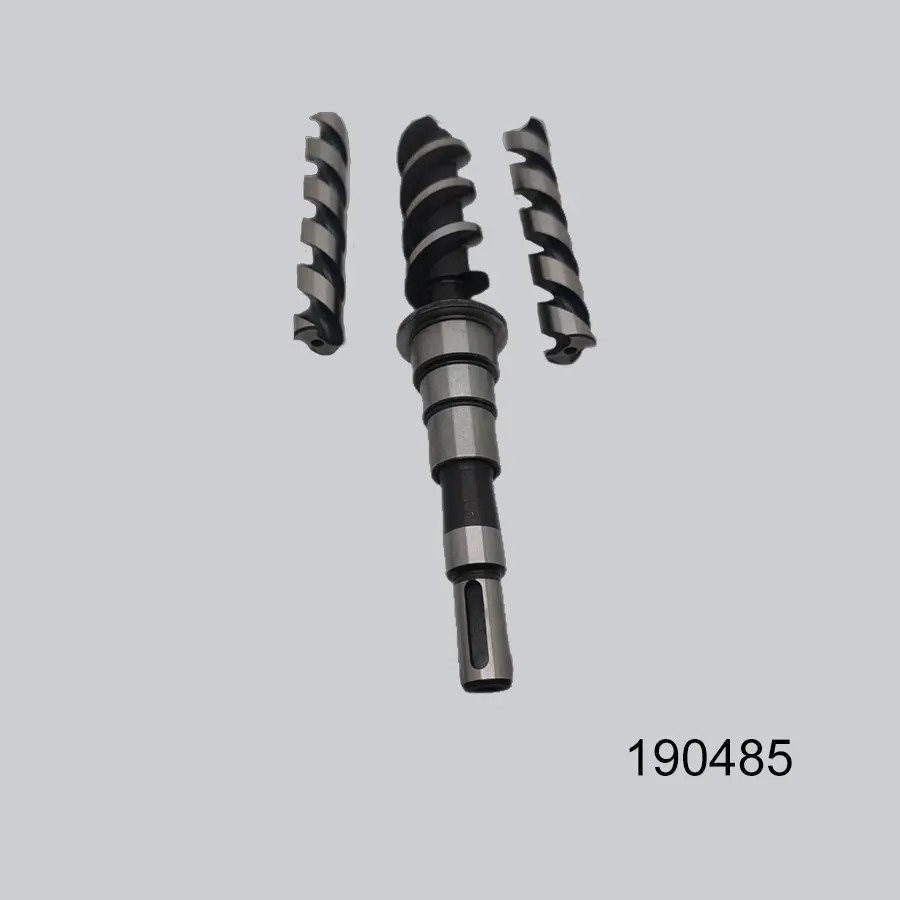
IMO PUMP ROTOR SET G012 ACE 32 L3 P190485

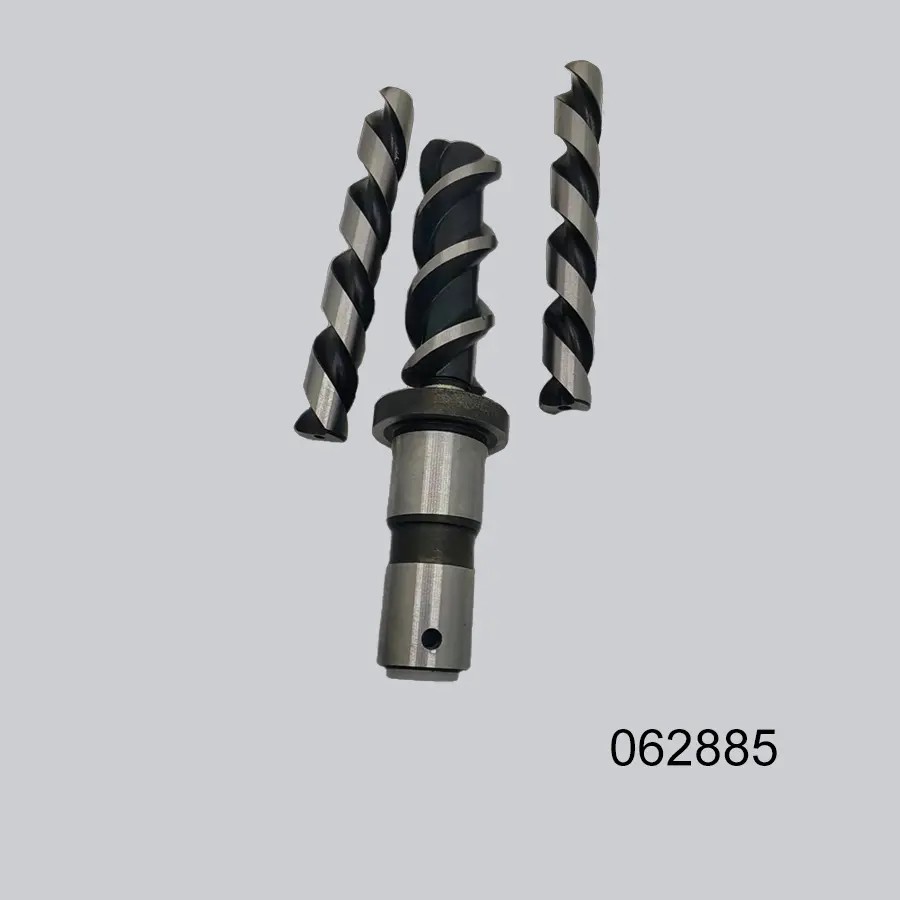
Rotor set for IMO pump ACD/ACP 025 L6 G012 P062885

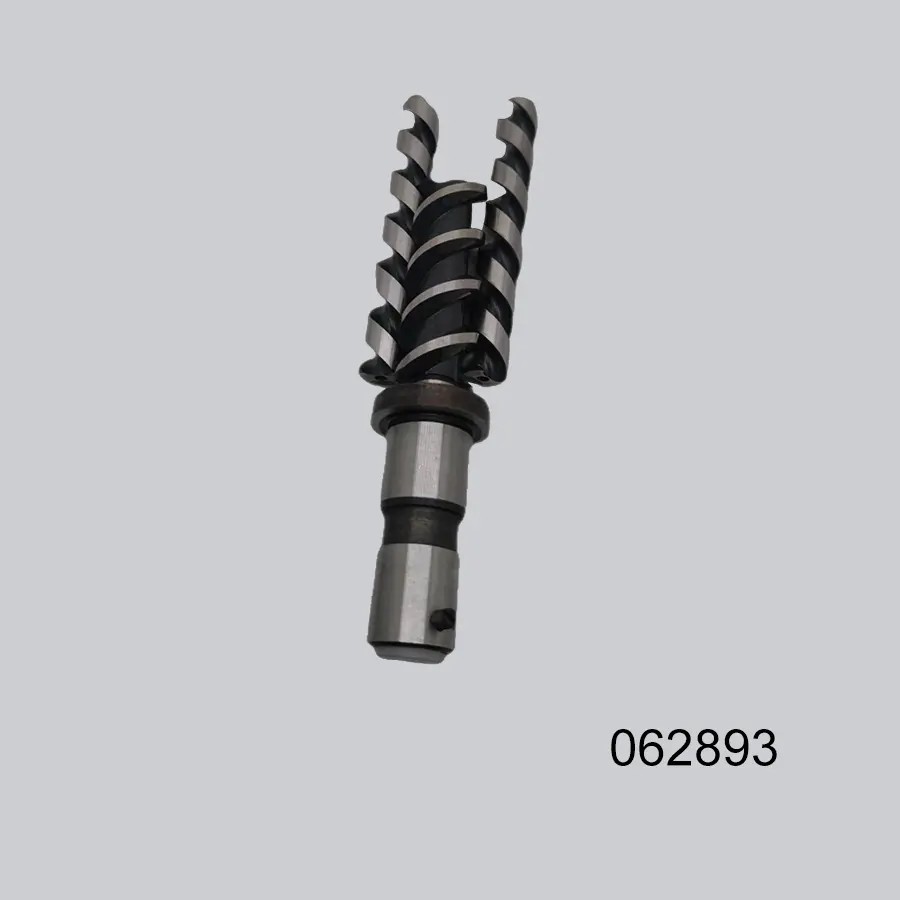
Rotor set for IMO pump ACD/ACP 025 N6 G012 P062893

Allweiler pump rotor set

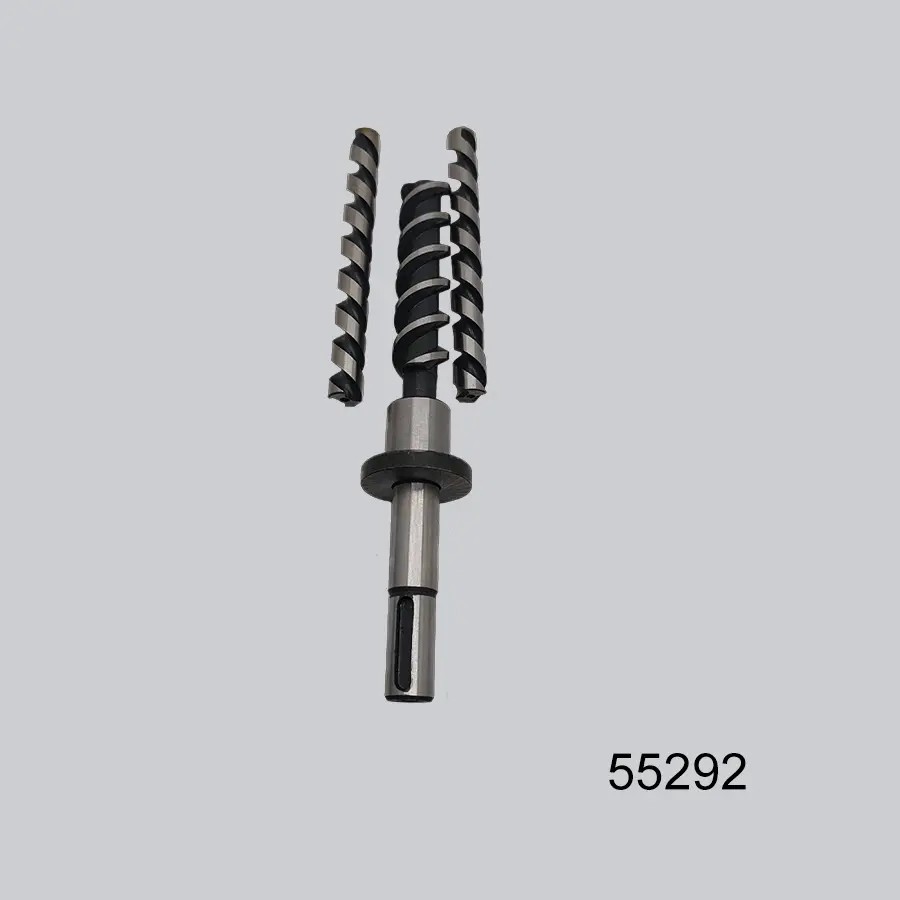
Allweiler pump SPF10 38 rotor set 55292

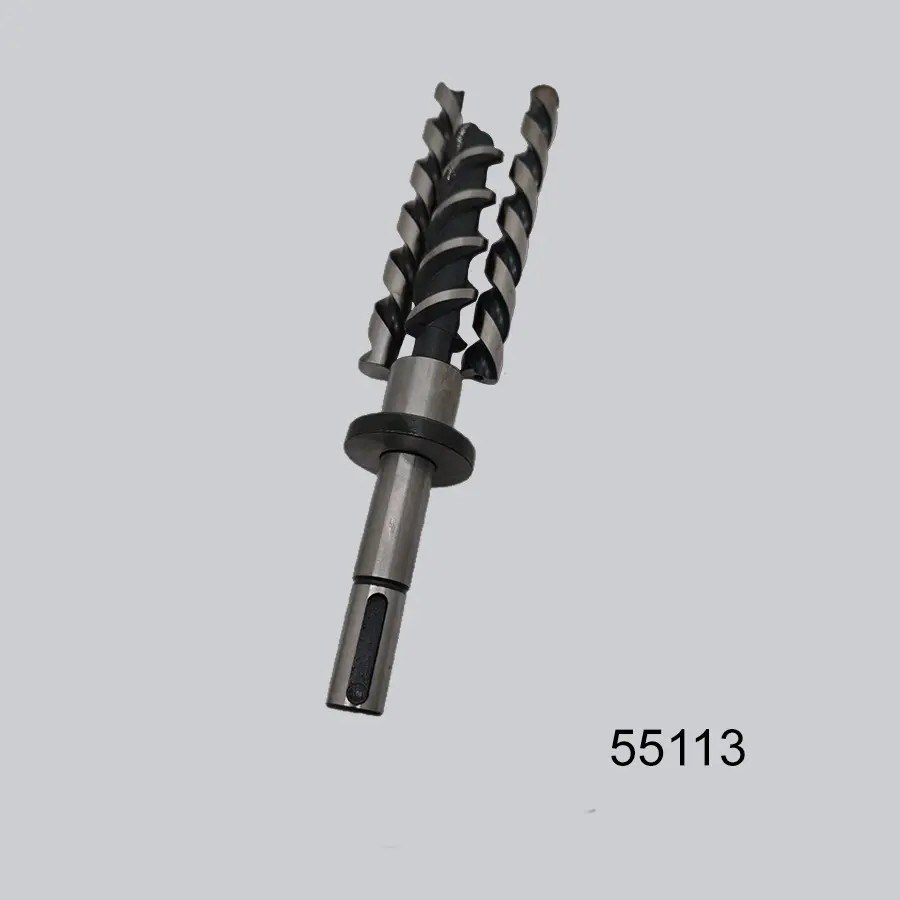
Allweiler pump SPF10 46 rotor set 55113

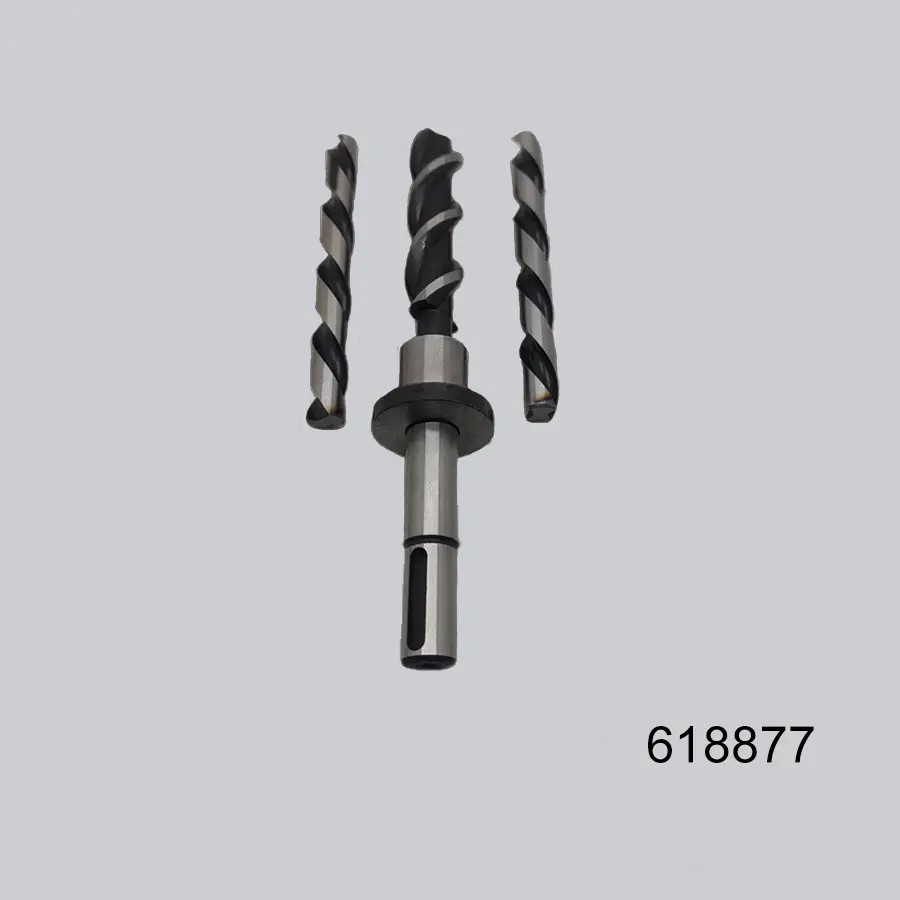
Allweiler pump rotor set SPF10-56 618877

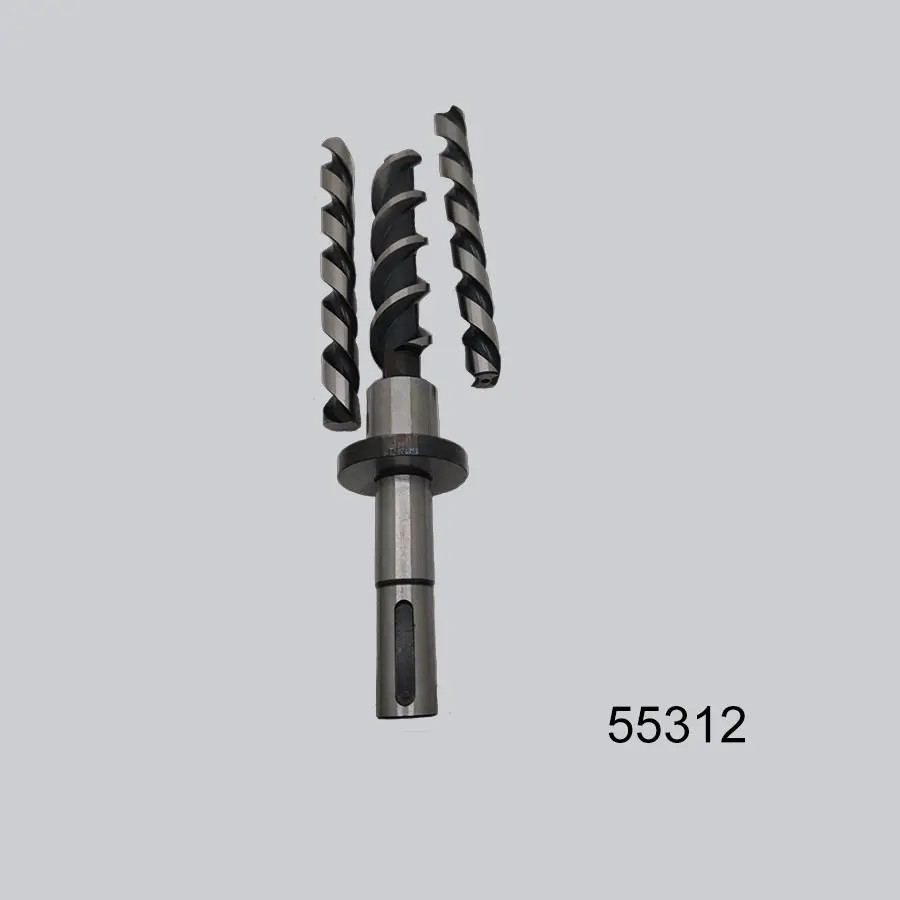
Allweiler SPF 20 46 rotor pump set 55312

Ningbo Victor

China pump rotor set manufacturer

globally trusted marine pump rotor set expert

With 27 years of experience and international registrations, VICTOR delivers precise and durable marine pump rotor set, widely recognized by shipbuilders worldwide.

cost-effective alternative to top brands

Our products perform like branded originals, but are priced approximately 10% lower, helping customers reduce costs without compromising quality.

fast delivery with ample inventory

Extensive stock ensures timely order fulfillment, minimizing production delays and keeping vessels and pump equipment operating efficiently at all times.

pump rotor set FAQ

Related blogs

Acquire all kinds of knowledge from professional China pump rotor set supplier

Why choose a wave spring over multiple springs in mechanical seals?

For most modern mechanical seal designs, wave springs are the preferred axial loading solution over multiple coil springs, as they deliver a more compact profile, more uniform face loading, higher reliability, and lower total installed cost. Spring selection is a critical performance decision — seal face loading directly impacts leakage

Read More »

When should you use a cartridge mechanical seal?

Cartridge mechanical seals are the preferred choice when installation reliability, minimal downtime, and consistent performance in critical applications are top priorities. A cartridge seal is a factory-preassembled, self-contained module: all components — seal faces, springs, sleeve, and gland — are aligned and set at the factory, so the unit arrives

Read More »

Metal Bellow Seals vs Standard Seals: What’s Better?

Metal bellow seals are the clear choice for high-performance, extreme-condition service, while standard pusher seals deliver reliable performance at lower cost for moderate, general-purpose applications. This core tradeoff defines nearly every mechanical seal selection decision. Neither design is universally superior. Each serves a distinct duty range, and matching the seal

Read More »

When does a component seal still make sense?

Component mechanical seals remain the optimal choice in three common scenarios: when equipment was originally engineered for component-style seals and a like-for-like replacement is required; when a compact, integrated design with high reliability and simplified assembly is a priority; and when upgrading to a cartridge seal would add unnecessary complexity

Read More »

what is a pump rotor

A pump rotor is a critical component of certain types of pumps, particularly centrifugal pumps and positive displacement pumps. It is the rotating part of the pump that imparts energy to the fluid being pumped, enabling it to move through the system.

Key Functions of a Pump Rotor:
Fluid Movement: The rotor creates a flow of fluid by converting mechanical energy into hydraulic energy. In centrifugal pumps, the rotor (often called an impeller) spins, creating a low-pressure area that draws fluid in and then pushes it outwards.

Pressure Generation: In positive displacement pumps, the rotor helps to trap a fixed volume of fluid and then forces it out of the pump, generating pressure.

Efficiency: The design and material of the rotor can significantly affect the efficiency of the pump. Factors such as rotor shape, size, and surface finish can influence how effectively the pump moves fluid.

Types of Rotors:
Centrifugal Pump Rotors (Impellers): These are typically designed with blades that help to accelerate the fluid outward from the center of rotation.

Positive Displacement Pump Rotors: These can vary widely in design, including gear rotors, diaphragm rotors, and screw rotors, each suited for different applications and fluid types.